HSE by design
Integrate hazard identification, barriers, competency and assurance before activity.

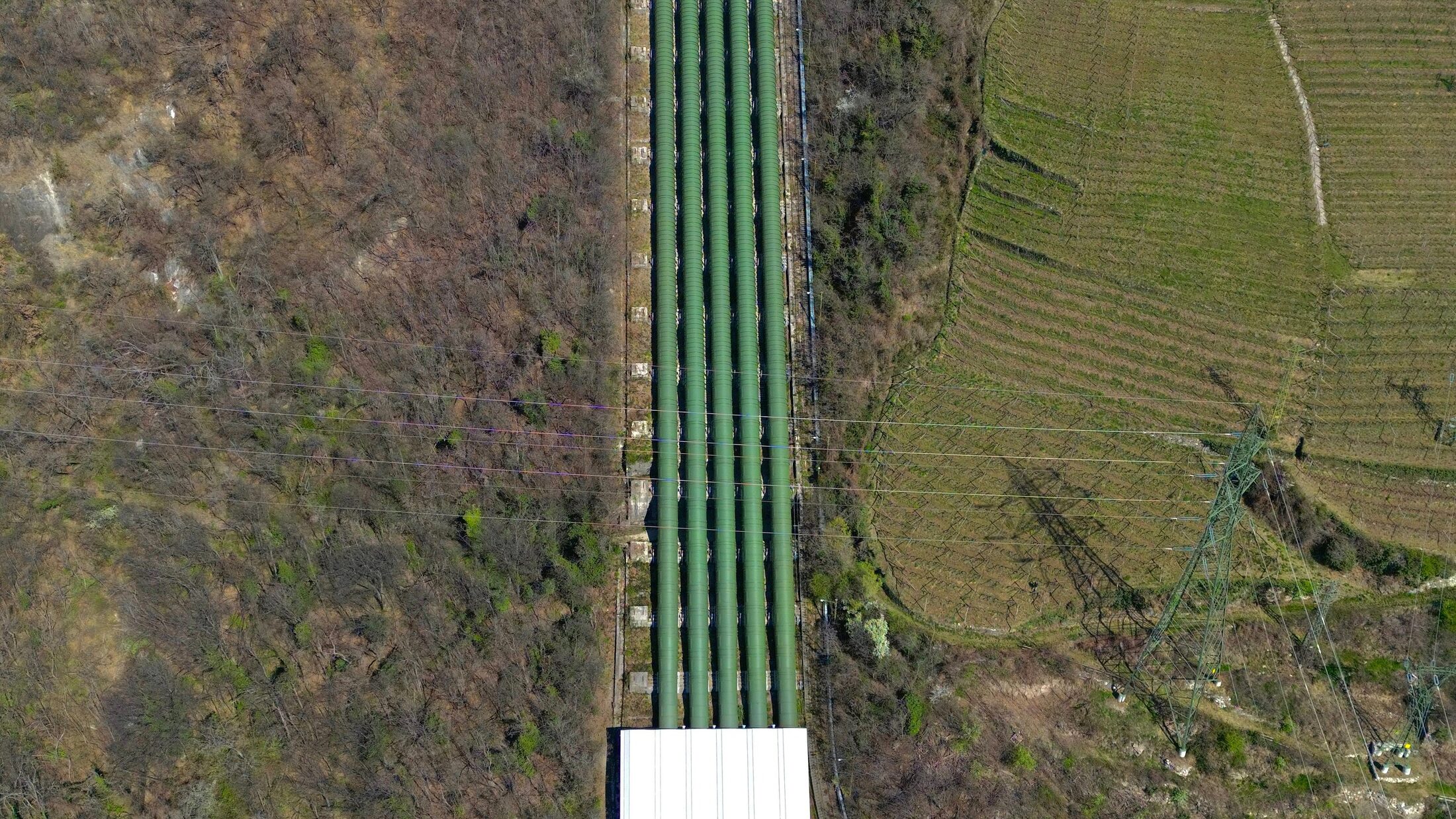
Safety, environmental obligations, community context, Indigenous rights and interests, governance and closure responsibilities shape opportunity quality and execution readiness.
Responsible outcomes are built through clear systems, ownership, verification and continuous learning.
Integrate hazard identification, barriers, competency and assurance before activity.
Consider land, water, emissions, waste, reclamation and closure across the full operating life cycle.
Recognise rights, interests, local knowledge and the value of early, clear dialogue.
Define decision rights, escalation routes, reporting expectations and corrective action.
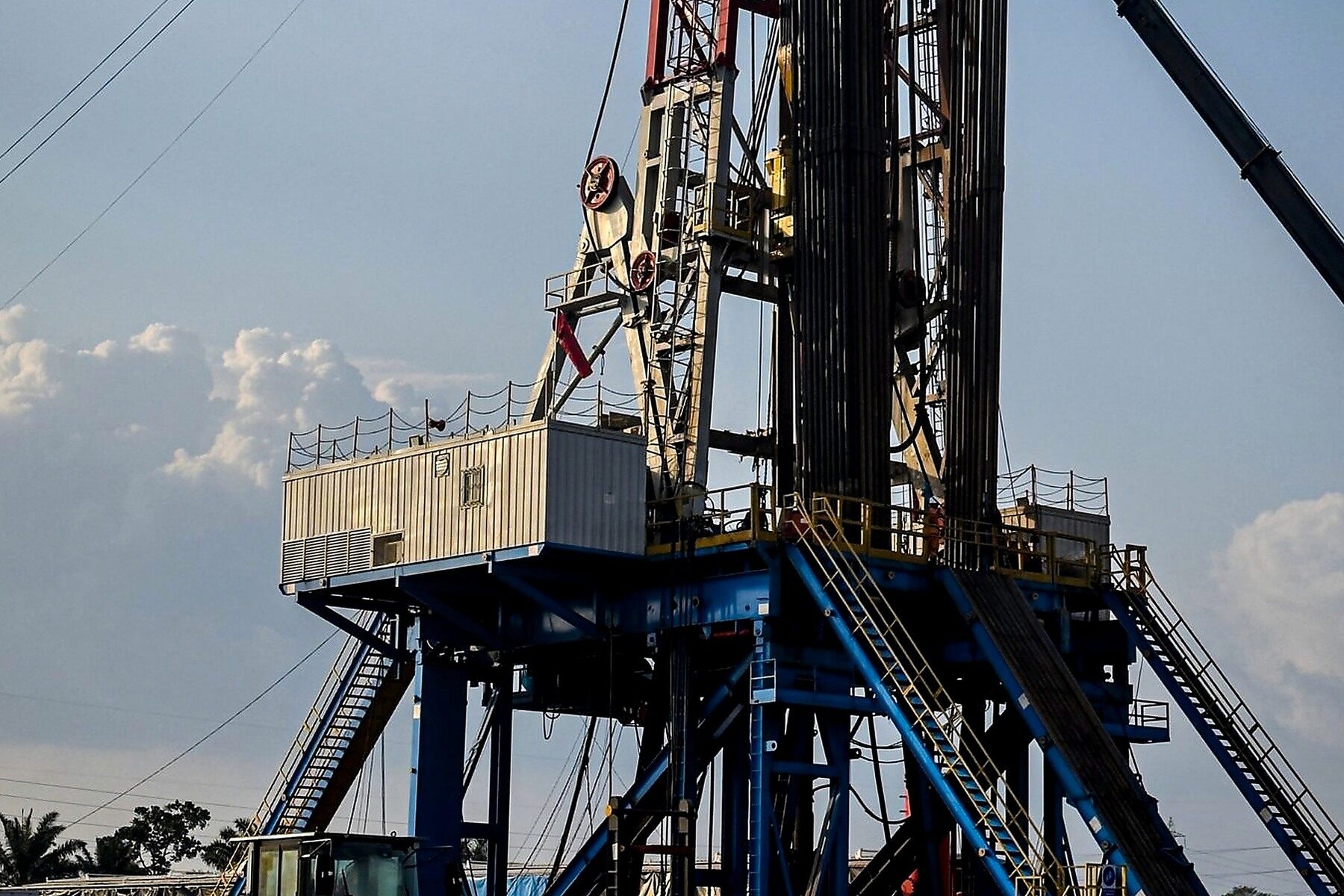
Responsible execution begins with clear work scopes, qualified people, task-level controls, contractor alignment, verification and the authority to stop when conditions differ from plan.
Environmental planning should consider disturbance, water, emissions, waste, monitoring, abandonment, reclamation and long-term obligations.
These factors influence opportunity quality, development concepts and capital decisions from the beginning.
Building a Western Canadian upstream oil and gas company with clarity, technical rigour and responsible development.
Start a conversation →